For property managers, roofing problems rarely arrive at a convenient time. A small leak can interrupt a tenant’s business, damage inventory or equipment, create safety concerns, and lead to repairs that extend well beyond the roof itself.
The challenge is that commercial roofing problems often develop gradually. Flat and low-slope roofing systems can allow moisture to travel beneath the surface before water becomes visible inside the building. By the time a ceiling tile is stained or water begins dripping onto the floor, the affected area may be larger than expected.
For commercial properties throughout Pinellas County, Florida’s intense sunlight, heavy rain, high humidity, strong winds, and coastal conditions make proactive roof management especially important.
At American Family Roofing LLC, we encourage property managers to recognize the early warning signs of commercial roof problems and address them before they become expensive emergencies.
Standing Water That Remains After Rain
Ponding water is one of the most important warning signs on a flat or low-slope commercial roof.
Commercial roofing systems are designed to direct water toward drains, scuppers, gutters, or other drainage points. When water repeatedly remains in the same areas after rainfall, something may be interfering with proper drainage.
Possible causes include:
Blocked roof drains
Clogged scuppers
Improper roof slope
Compressed insulation
Structural movement
Deteriorated roofing materials
Previous repairs that changed drainage patterns
Pinellas County regularly experiences intense rainfall, making efficient drainage particularly important.
Persistent standing water can place additional stress on roofing materials and increase the opportunity for moisture to enter through seams, penetrations, or damaged areas.
Water Stains on Ceilings or Walls
A ceiling stain should never be dismissed simply because it is small.
Water can travel significant distances beneath a commercial roofing system before becoming visible inside the building. The location of the stain may not be directly below the source of the leak.
Property managers should document when and where stains appear and whether they become darker or larger after rainfall.
Even if the area eventually dries, the source should still be investigated. Moisture may remain trapped within insulation or other parts of the roofing assembly.
Recurring Roof Leaks
A roof that repeatedly leaks in the same area is sending a clear warning.
Repeatedly applying sealant or making minor surface repairs may temporarily stop visible water intrusion without addressing the underlying cause.
Recurring leaks can indicate problems involving:
Damaged membrane
Failed flashing
Wet insulation
Deteriorated roof decking
Poor drainage
HVAC curbs
Roof penetrations
Previous improper repairs
When a leak keeps returning, the affected section should be evaluated as a complete roofing assembly rather than patched again without further investigation.
Bubbling or Blistering Roof Membranes
Bubbles, blisters, and raised areas on commercial roof membranes should be professionally inspected.
These conditions can develop when air or moisture becomes trapped beneath roofing materials. Heat from Florida’s sun can cause trapped moisture or air to expand, making the affected area more noticeable.
Not every blister requires the same repair, but widespread or worsening membrane problems can indicate that moisture has entered the roofing system.
Walking on or puncturing these areas without understanding the underlying condition can create additional damage.
Cracks, Splits, and Open Seams
Commercial roofs contain seams, transitions, flashing, and other connection points that must remain watertight.
Constant exposure to heat causes roofing materials to expand and contract. Over time, this movement can contribute to cracks, separated seams, or deteriorated flashing.
Strong winds and severe weather may accelerate the process.
Once a seam begins opening, wind-driven rain may find its way beneath the roofing membrane.
Property managers should take visible cracks, splits, or separated seams seriously even when no interior leak has appeared.
Damaged Flashing
Flashing protects some of the most vulnerable areas of a commercial roof.
It is commonly found around:
Roof edges
Parapet walls
HVAC equipment
Plumbing penetrations
Exhaust vents
Skylights
Roof-to-wall transitions
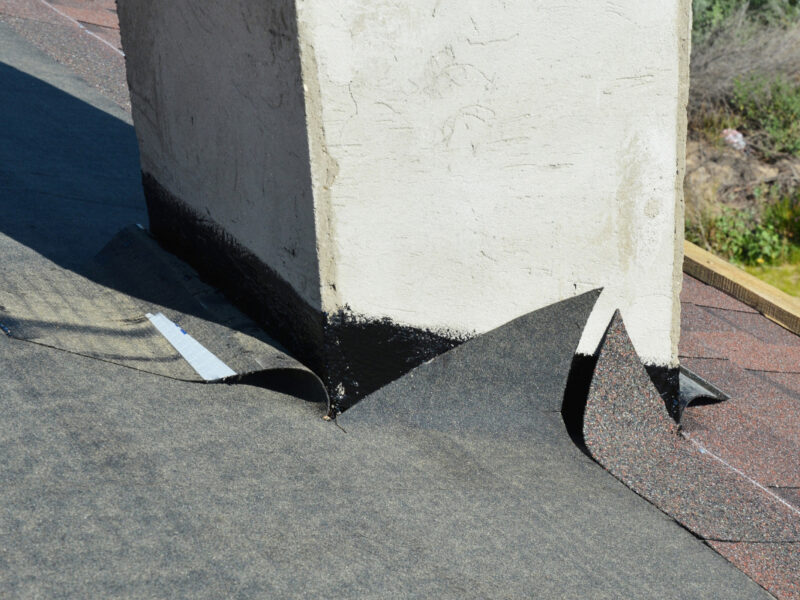
Loose, cracked, corroded, or separated flashing can create direct opportunities for water intrusion.
Because many commercial roofs contain numerous penetrations and mechanical systems, flashing should be carefully evaluated during routine maintenance inspections.
Problems Around Rooftop HVAC Equipment
HVAC equipment is one of the most common features found on commercial roofs and one of the areas property managers should monitor closely.
Rooftop units are typically installed on curbs that must remain properly integrated with the roofing system. Equipment vibration, repeated service access, deteriorated sealants, and aging flashing can eventually create problems around these locations.
Watch for water collecting near HVAC units, damaged flashing, deteriorated membrane materials, or previous repairs that appear to be failing.
When HVAC equipment is replaced or modified, having the surrounding roofing components evaluated can also help prevent problems created by new penetrations or changes to existing curbs.
Clogged Drains and Scuppers
Roof drainage components should never be treated as an afterthought.
Leaves, palm debris, branches, trash, and other materials can accumulate around commercial roof drains. During a Florida downpour, even a partially blocked drain can prevent water from leaving the roof quickly enough.
Property managers should have drainage areas checked regularly, especially before and during the rainy season.
Repeated drainage problems may indicate something more significant than ordinary debris and should be evaluated by a roofing professional.
Damaged or Missing Roofing Materials
Commercial buildings can use several types of roofing systems, including membranes, metal panels, shingles, and combinations of materials.
Missing, displaced, punctured, or otherwise damaged materials should be addressed promptly.
High winds may loosen roofing components without immediately creating an interior leak. Once another storm arrives, the compromised area may become much more vulnerable to water intrusion.
After severe weather, a professional inspection can identify damage that is difficult to see from ground level.
Rust or Corrosion on Metal Roofing
Metal commercial roofing systems are known for durability, but they still require maintenance.
Property managers should watch for corrosion around fasteners, seams, penetrations, flashing, panel edges, and areas where protective coatings have been damaged.
Coastal conditions make this particularly important for properties throughout Pinellas County.
Finding localized corrosion early may allow the affected area to be treated or repaired before deterioration spreads.
Loose or Backed-Out Fasteners
Exposed-fastener metal roofs require periodic inspection because fasteners and their sealing components can change over time.
Thermal expansion, contraction, vibration, and weather exposure can contribute to fasteners becoming loose or backing out.
A missing or improperly seated fastener can create an opening for moisture.
Simply tightening every visible fastener is not necessarily the correct solution. The surrounding panel, washer, substrate, and overall condition of the roofing system should be evaluated.
Excessive Debris on the Roof
Leaves, branches, trash, and organic material should not be allowed to remain on a commercial roof.
Debris can obstruct drainage, trap moisture, conceal membrane damage, and accumulate around mechanical equipment.
After storms, property managers should pay particular attention to roof valleys, drainage areas, corners, and spaces around HVAC units.
Removing debris is a simple maintenance task that can prevent much more significant problems.
Interior Musty Odors
Not every roof leak creates a visible stain.
A persistent musty smell inside the building may indicate hidden moisture somewhere above the occupied space. Wet insulation, ceiling materials, or concealed building components can retain moisture long after a rainstorm ends.
There are many possible causes of indoor odors, so a roofing problem should not automatically be assumed. However, unexplained musty conditions combined with an older roof, previous leaks, or recent storms are worth investigating.
Wet or Damaged Ceiling Tiles
Suspended ceiling systems can provide an early indication of roof problems.
Discolored, sagging, or deteriorated ceiling tiles may indicate water intrusion from the roof, plumbing, HVAC equipment, or another building system.
Replacing the ceiling tile without identifying the moisture source only hides the evidence.
Property managers should document affected locations and investigate the cause before completing cosmetic repairs.
Unexplained Increases in Cooling Costs
Higher energy bills can have many causes, but the roofing system should be considered when other explanations are not obvious.
Roof leaks can saturate insulation beneath a commercial roofing membrane. Wet or damaged insulation may provide less effective thermal resistance, potentially increasing heat transfer into the building.
Deteriorated reflective surfaces can also increase solar heat absorption.
If cooling costs are increasing while the roof is showing other signs of deterioration, a professional roofing inspection can help determine whether the building envelope may be contributing to the problem.
Frequent Repairs Across Different Areas
Occasional commercial roof repairs are normal as a system ages.
However, when property managers find themselves scheduling repairs repeatedly across different parts of the roof, it may be time to evaluate the roofing system more broadly.
Frequent repairs can indicate:
Widespread material deterioration
Aging roofing components
Moisture beneath the membrane
Installation problems
Repeated storm damage
A roofing system approaching the end of its practical service life
At some point, continuing to repair isolated areas may cost more than developing a planned restoration or replacement strategy.
A professional assessment can help property managers compare those options.
Signs of Previous Repairs Failing
Commercial roofs often have a long maintenance history.
Property managers may inherit buildings containing patches, coatings, sealants, modified flashing, and repairs completed by several different contractors.
These areas deserve additional attention during inspections.
Cracked sealant, separating patches, deteriorated coatings, or repairs pulling away from surrounding roofing materials can indicate that water protection has been compromised.
Knowing where previous repairs were completed also helps contractors understand the history of recurring problem areas.
Damage After HVAC or Other Contractor Work
Roofing contractors are not the only people who access commercial roofs.
HVAC technicians, electricians, telecommunications contractors, sign companies, solar installers, and other service providers may all need rooftop access.
Tools can puncture membranes, equipment can damage roofing surfaces, and new penetrations may not always be properly waterproofed.
Property managers should consider having the roof checked after substantial rooftop work, especially when equipment has been installed, removed, or relocated.
Excessive Foot Traffic
Repeated foot traffic can shorten the life of certain commercial roofing materials.
The areas between roof access points and HVAC equipment often experience the most wear. Over time, repeated traffic may damage membranes or compress underlying insulation.
Walkway pads or designated service paths may help protect appropriate roofing systems in high-traffic areas.
During an inspection, property managers should ask the roofing contractor to pay particular attention to frequently traveled sections.
Storm Debris or Impact Damage
Florida storms can send branches, building materials, signs, and other debris across commercial rooftops.
Impact damage may create obvious punctures, but it can also produce smaller weaknesses that are difficult to see.
After a major storm, property managers should not assume that a roof is undamaged simply because there is no immediate interior leak.
A timely inspection can identify compromised areas before the next heavy rainfall exposes them.
Tenants Reporting Roofing Problems
Property managers should establish a simple system for tenants to report potential water intrusion.
Reports of ceiling stains, dripping water, unusual odors, wet flooring, or damaged ceiling tiles should be investigated rather than treated as isolated maintenance complaints.
Tenants occupy the building every day and may notice subtle changes before management does.
Keeping records of where and when these problems occur can also help roofing professionals identify recurring patterns.
Why Preventive Commercial Roof Maintenance Matters
The most cost-effective commercial roof repair is often the one completed before an emergency develops.
Preventive maintenance allows property managers to address drainage problems, failing flashing, damaged membranes, and deteriorated penetrations while repairs remain manageable.
Routine maintenance also provides valuable information about how quickly the roofing system is aging.
Instead of unexpectedly discovering that a roof needs replacement, property managers can plan capital expenditures and schedule major work around tenants and business operations.
Keep Detailed Roof Maintenance Records
Commercial property managers should maintain a roof file for every building they oversee.
Useful records include inspection reports, photographs, warranties, repair invoices, roof plans, installation dates, storm inspections, and documentation of major rooftop equipment work.
These records make it easier to track recurring problems and determine whether repair frequency is increasing.
Documentation can also be valuable during ownership changes, property sales, budgeting, and discussions involving storm damage.
When Repair May No Longer Be the Best Investment
A well-maintained commercial roof can often be repaired successfully for many years.
Eventually, however, repairs may stop providing good long-term value.
Replacement or another larger roofing solution may need to be considered when there is widespread deterioration, extensive wet insulation, repeated leaks, significant membrane failure, substantial corrosion, or repair costs that continue increasing.
A reputable commercial roofing contractor should explain the condition of the existing system and provide realistic options rather than automatically recommending the most expensive solution.
Why Local Commercial Roofing Experience Matters in Pinellas County
Commercial roofing systems in Pinellas County operate in an unusually demanding environment.
Buildings throughout Clearwater, Largo, St. Petersburg, Pinellas Park, Seminole, Dunedin, Gulfport, and surrounding communities experience intense UV exposure, heavy rainfall, high humidity, strong thunderstorms, tropical systems, and coastal conditions.
American Family Roofing LLC understands how these factors affect commercial roofing materials and the areas where problems commonly develop.
Our family-owned company was founded by three brothers with previous experience as independent insurance adjusters. That background contributes to the way we approach inspections, documentation, and damage evaluation. We carefully assess the roofing system, explain what we find, and recommend practical solutions based on the property’s actual needs.
Commercial roofs rarely fail without warning. The challenge is recognizing those warnings early enough to do something about them.
Standing water, recurring leaks, damaged flashing, open seams, membrane deterioration, corrosion, clogged drains, failing repairs, and interior moisture should never be ignored.
For property managers, proactive roof care is ultimately about protecting the entire commercial property. Addressing roofing problems early can help prevent damage to tenant spaces, inventory, equipment, insulation, ceilings, and other valuable building components while reducing unexpected disruptions.
American Family Roofing LLC provides commercial roof inspections, maintenance, repairs, metal roofing, shingle roofing, storm damage assessments, and roof replacements throughout Pinellas County.
Protect Your Commercial Property Before a Small Problem Gets Bigger
If you have noticed warning signs on your commercial roof or simply do not know the current condition of the roofing system, contact American Family Roofing LLC to schedule a professional commercial roof inspection. We’ll evaluate the roof, identify developing concerns, and provide straightforward recommendations to help you protect the property and plan confidently for future roofing needs.