After a major storm, it is understandable for homeowners to want to move quickly. A roof may be leaking, shingles may be missing, or debris may have damaged part of the property. The pressure to fix everything immediately can lead to decisions that create bigger problems later.
In Pinellas County, strong thunderstorms, tropical systems, heavy rain, and high winds can damage roofing systems in ways that are not always obvious from the ground. Knowing what not to do after a storm can help homeowners protect their property, avoid unnecessary costs, and make better decisions about repairs.
At American Family Roofing LLC, we regularly inspect roofs after severe weather and see many of the same mistakes repeated. Here are some of the most common problems homeowners should avoid after storm damage.
Waiting Too Long to Inspect the Roof
One of the biggest mistakes is assuming the roof is fine simply because there is no active leak.
Storm damage can include lifted shingles, loose flashing, damaged ridge caps, cracked sealants, punctures, or compromised roof penetrations that may not begin leaking immediately.
The next heavy rain can expose those weaknesses.
A professional inspection shortly after a significant storm can identify damage before it spreads into the attic or interior of the home.
Climbing on the Roof Yourself
Homeowners often want to inspect the damage personally, but storm-damaged roofs can be dangerous.
Wet roofing materials are slippery, loose shingles can shift underfoot, and damaged decking may not safely support weight. Debris and electrical hazards can also create additional risks.
It is usually safer to inspect the roof from the ground and leave direct roof access to a trained roofing professional.
Assuming a Ceiling Stain Shows the Exact Leak Location
Water rarely travels in a straight line.
A ceiling stain may appear several feet away from the actual roof opening. Water can enter around flashing, vents, or damaged shingles and travel along decking or framing before becoming visible inside the home.
Repairing only the area directly above the stain can leave the real leak untouched.
Professional roof inspections focus on identifying the source of water intrusion rather than treating only the visible symptom.
Using Temporary Repairs as Permanent Solutions
Emergency tarping and temporary sealing can be extremely useful after a storm, but they are not permanent repairs.
A tarp can help prevent additional water intrusion until conditions are safe and materials are available. Problems arise when homeowners leave temporary protection in place for weeks or months without addressing the underlying roof damage.
Temporary measures should always be followed by a complete inspection and permanent repair plan.
Applying Too Much Sealant
Another common mistake is covering damaged areas with large amounts of roofing cement or sealant.
Sealants have legitimate uses, but they cannot replace failed flashing, deteriorated shingles, damaged underlayment, or rotten decking.
Excessive sealant can also make future repairs more difficult by covering the original damage and creating a temporary surface patch that eventually cracks under Florida’s heat and UV exposure.
The repair method should match the actual cause of the problem.
Focusing Only on Missing Shingles
Missing shingles are easy to see, but storm damage may extend beyond the visible roofing surface.
High winds can also affect:
Flashing
Ridge caps
Pipe boots
Roof vents
Underlayment
Fasteners
Gutters
Soffits
Roof decking
Replacing only visible shingles without inspecting the surrounding components can leave other damage uncorrected.
A complete storm inspection evaluates the roofing system as a whole.
Ignoring Attic Damage
The attic is one of the best places to detect hidden storm damage.
Homeowners may focus on the exterior roof while overlooking damp insulation, water stains on decking, rusted fasteners, or moisture around roof penetrations.
Even if the ceiling below remains dry, attic moisture may indicate that the roof has already been compromised.
When attic access is safe and available, it should be part of the post-storm inspection process.
Hiring the First Contractor Who Knocks on the Door
Major storms often bring an influx of roofing contractors into affected areas.
Some may be reputable, but others may have little local experience or may leave once demand slows.
Homeowners should take the time to verify:
Proper Florida licensing
Insurance coverage
Local experience
Written estimates
Warranty terms
Recent references or reviews
A physical business presence
Choosing an established local contractor gives homeowners a better chance of receiving reliable follow-up service after the project is complete.
Choosing the Cheapest Estimate Without Comparing the Scope
After a storm, homeowners may receive several estimates that appear very different in price.
The lowest estimate is not always the best value.
One contractor may include proper flashing replacement, underlayment, decking allowances, permits, cleanup, and code-related requirements, while another estimate may leave those items out.
Homeowners should compare the full scope of work rather than looking only at the final price.
A detailed estimate should clearly explain what materials and repairs are included.
Delaying Small Repairs Because Another Storm May Come
Some homeowners hesitate to repair storm damage because they assume another storm could arrive soon.
That delay can create a much larger problem.
A small opening in the roofing system may allow water to enter during every rainfall. Over several weeks, this can lead to damaged decking, wet insulation, mold growth, and interior repairs.
Making necessary repairs promptly gives the roof a better chance of protecting the home during the next storm.
Failing to Document the Damage
Homeowners should document visible storm damage as soon as it is safe.
Photos can help create a record of:
Missing shingles
Fallen branches
Damaged gutters
Interior ceiling stains
Wet insulation
Temporary tarping
Debris impact
Other affected areas
Documentation can be useful for tracking repairs and may also help homeowners when communicating with their insurance company.
At American Family Roofing LLC, our background as former independent insurance adjusters gives us an appreciation for clear, accurate documentation. Our role is to document the visible roofing conditions and explain recommended repairs, while insurance coverage decisions remain with the insurer.
Throwing Away Damaged Materials Too Quickly
In some cases, damaged roofing materials may need to be removed immediately for safety or temporary repairs.
When possible, however, homeowners should document removed materials before disposing of them.
Photos of damaged shingles, flashing, or other components may help establish what was found during the repair process.
The roofing contractor can also document hidden damage discovered after materials are removed.
Ignoring Tree and Debris Damage
Storm damage does not always come directly from wind.
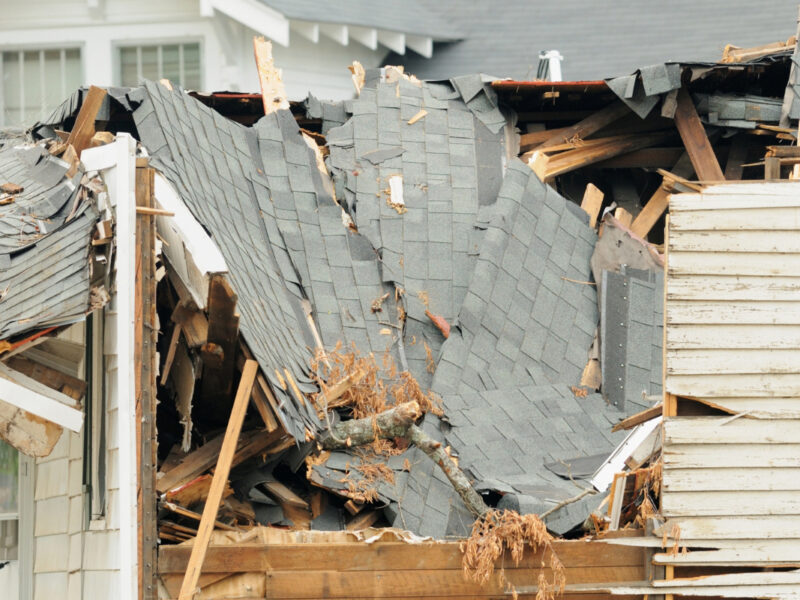
Branches, palm fronds, roofing debris, and other airborne objects can strike the roof and cause punctures, dents, cracked shingles, or damaged flashing.
Even if a branch has already fallen away from the roof, the impact point should be inspected.
Some punctures are small enough to be difficult to see from the ground but large enough to allow water intrusion during the next rainstorm.
Forgetting About Gutters and Drainage
Storm debris often collects in gutters, valleys, and roof drains.
Clogged drainage systems can cause water to back up near roof edges or collect in low areas.
After a storm, gutters and downspouts should be checked for blockages, damage, or separation from the roofline.
For flat and low-slope roofs, drainage becomes even more important because standing water can increase the risk of leaks and material deterioration.
Assuming Every Storm-Damaged Roof Needs Replacement
Not every roof affected by a storm needs to be replaced.
A relatively new roof with localized damage may be repaired successfully. Recommending full replacement without evaluating the entire roofing system may lead to unnecessary expense.
On the other hand, repeatedly repairing an aging roof with widespread deterioration may also be a poor investment.
The right decision should be based on the roof’s age, overall condition, extent of damage, and long-term repairability.
Ignoring Pre-Existing Roofing Problems
Storms often expose weaknesses that were already developing.
A leak that appears after a storm may involve a combination of recent wind damage and older issues such as deteriorated flashing, worn sealants, poor ventilation, or aging shingles.
A professional inspection should distinguish between obvious storm damage and existing maintenance concerns so homeowners can understand the complete condition of the roof.
Not Planning for the Next Storm
Repairing the immediate damage is only part of the process.
A post-storm inspection is also an opportunity to identify areas where the roof may be vulnerable in the future.
Depending on the home, that may include:
Improving attic ventilation
Replacing deteriorated flashing
Correcting drainage problems
Trimming nearby trees
Upgrading roofing materials
Replacing an aging roof before the next hurricane season
Taking a proactive approach can reduce the likelihood of repeating the same repairs after every severe weather event.
Why Local Roofing Experience Matters
Roofing after a storm in Pinellas County requires an understanding of local weather, coastal conditions, Florida building requirements, and the way different roofing materials perform in high winds and heavy rain.
Homes in Largo, Clearwater, St. Petersburg, Seminole, Pinellas Park, Dunedin, Gulfport, and surrounding communities may experience different levels of wind exposure, salt air, tree debris, and drainage concerns.
American Family Roofing LLC combines local roofing experience with the perspective of former independent insurance adjusters. That background helps us evaluate roof damage carefully, document visible conditions, and explain repair or replacement options clearly.
Our goal is to help homeowners make informed decisions based on the actual condition of their roof.
The decisions homeowners make immediately after a storm can have a major impact on future repair costs.
Waiting too long, relying on temporary patches, overlooking hidden damage, hiring the wrong contractor, or focusing only on visible problems can allow minor storm damage to become much more expensive.
The safest approach is to document the damage, protect the property, and schedule a professional roof inspection as soon as conditions allow.
American Family Roofing LLC provides storm damage inspections, emergency repairs, roof repairs, maintenance, and complete roof replacements throughout Pinellas County.
Schedule a Post-Storm Roof Inspection
If your home has recently experienced strong winds, heavy rain, or flying debris, contact American Family Roofing LLC to schedule a professional roof inspection. Our experienced team will evaluate the condition of your roofing system, document visible damage, and provide honest recommendations for protecting your home before the next storm arrives.